

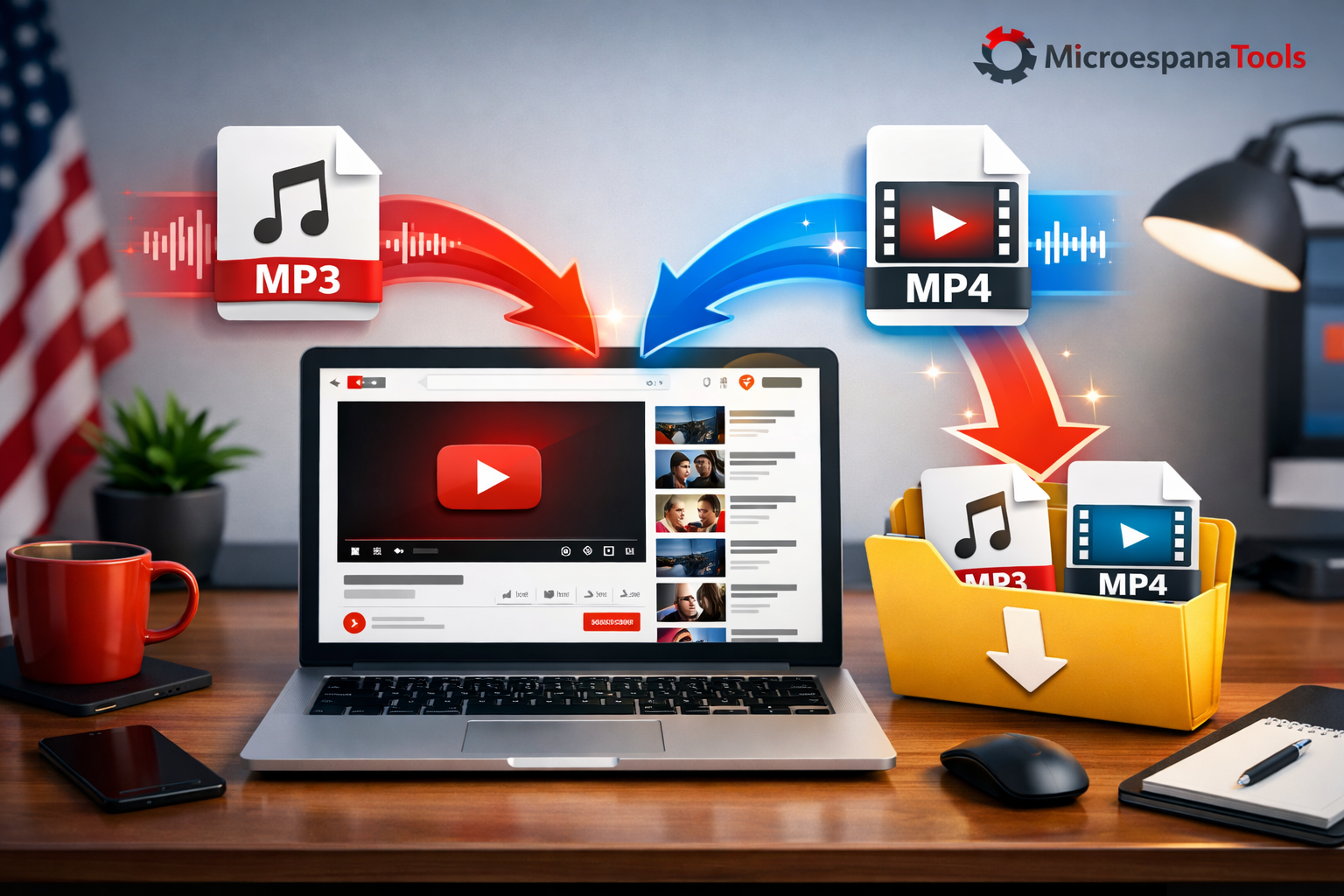
Streaming is convenient, yet it doesn’t always fit real life. Slow WiFi, travel, or limited data can interrupt your plans. That’s why many people choose to Download & Convert YouTube Videos for offline access. A quick YouTube video downloader lets you save tutorials, interviews, or music in seconds. You can convert files into MP4 for full visuals or extract audio as MP3 using a reliable video to MP3 converter. This simple process, often called YouTube video conversion, gives you control over quality and storage. With the right offline video download method, your favorite content stays available anytime, anywhere.
Online Tools & How-To
Download & Convert YouTube Videos to MP4 or MP3 (Fast, Free & Easy)
Microespanatools Blog
February 27, 2026
Instead of relying on unstable connections, you create your own media library. You decide when to watch. You decide how to listen. With the right approach, downloading and converting YouTube content is simple, efficient, and surprisingly powerful.
Why YouTube Video Download and Conversion Is So Popular
Streaming dominates modern life. However, convenience comes with limits. Airports throttle speeds. Rural areas lack stable broadband. Mobile data gets expensive. That’s where YouTube Video Download and Conversion solves real problems.
Imagine a nursing student preparing for exams. She downloads medical tutorials as MP4 files before visiting family in an area with weak coverage. No buffering. No interruptions. Just smooth playback. That single decision reduces stress and saves time.
Business professionals also benefit. A marketing director may convert webinars into audio files. She listens during her commute instead of staring at a screen. Converting video into MP3 transforms passive content into portable learning.
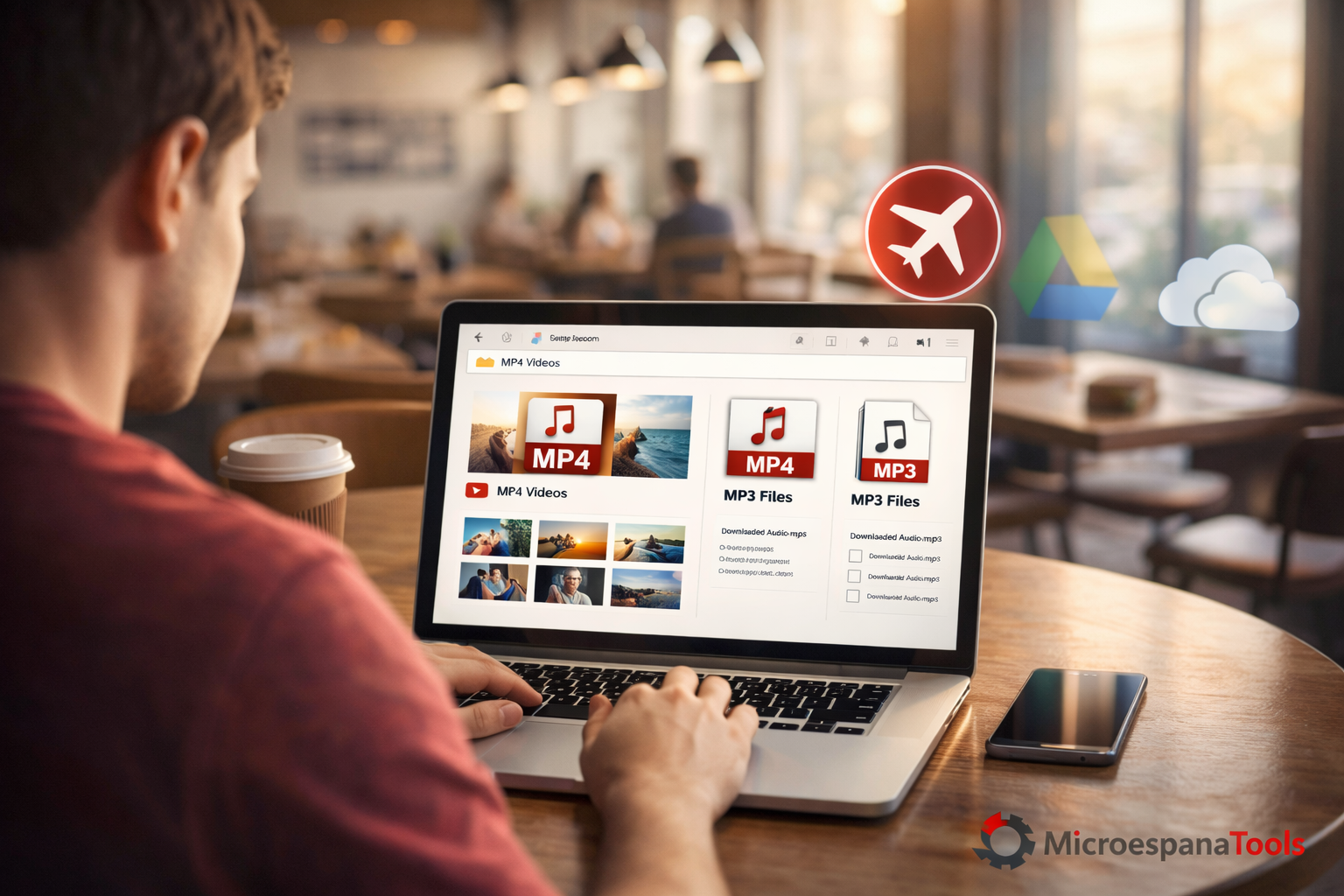
Here’s why Americans rely on this method:
| Benefit | Real-World Impact |
| Offline Access | No internet required |
| Storage Control | Save only what you need |
| Format Flexibility | Choose MP4 or MP3 |
| Editing Capability | Trim and reuse clips |
| Data Savings | Reduce streaming usage |
The appeal is clear. Control matters.
Understanding MP4 and MP3 Formats Clearly
Choosing between MP4 and MP3 isn’t complicated once you understand the difference. MP4 stores video and audio together. MP3 stores only audio. That distinction changes everything.
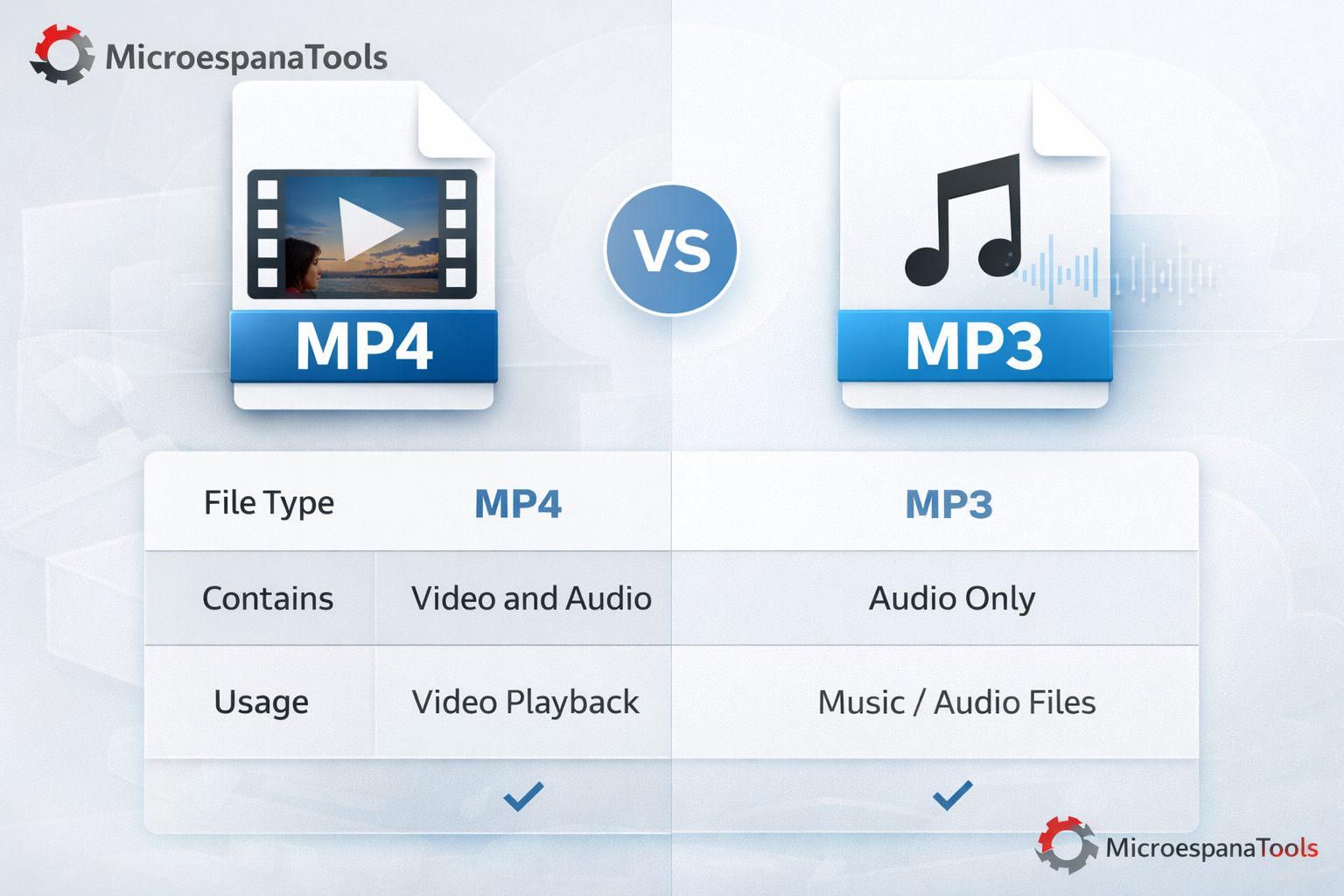
If you’re saving a cooking demonstration, MP4 makes sense. You need to see the steps. If you’re downloading a motivational speech, MP3 may be perfect. You only need the voice.
Let’s compare:
| Feature | MP4 | MP3 |
| Video Included | Yes | No |
| Audio Quality | High | High |
| File Size | Larger | Smaller |
| Ideal Use | Tutorials, Films | Music, Talks |
Here’s a helpful analogy. Think of MP4 as a movie theater. Think of MP3 as a podcast player. One shows the full scene. The other delivers just the sound.
Choosing wisely helps you manage storage space while maintaining quality.
Legal and Ethical Considerations You Should Know
Before diving into YouTube Video Download and Conversion, pause for a moment. Not every video is free to download. YouTube’s terms restrict unauthorized redistribution. Respecting copyright isn’t optional. It protects creators and protects you.
Generally, you can download:
Public domain videos
Creative Commons licensed content
Your own uploaded videos
Royalty-free material
Avoid downloading copyrighted movies, music albums, or paid content without permission. Using content for personal offline viewing is very different from re-uploading it elsewhere. Keep your use responsible and ethical.
When unsure, always check the video description. Many creators clearly state usage rights.
Methods for YouTube Video Download and Conversion
Several approaches exist. Each works slightly differently.
Online converter websites are the simplest option. You copy the video URL, paste it into the tool, choose MP4 or MP3, and download. No installation required. This method works well for quick, occasional conversions.
Desktop software offers more control. You can select resolution, bitrate, frame rate, and sometimes even subtitles. This method suits professionals editing content later.
Browser extensions simplify the process further. A download button appears directly below the YouTube video. One click starts the conversion. It feels seamless.
Each method serves a different need. Casual users prefer online tools. Editors prefer software.
Step-by-Step Guide: Download YouTube Videos to MP4
The process is straightforward.
First, open YouTube and copy the video link from your browser’s address bar. Next, visit a trusted converter site. Paste the link into the input box. Select MP4 format. Choose resolution such as 720p, 1080p, or higher if available.
Resolution affects clarity and file size. A 1080p file looks sharper than 480p. However, it consumes more storage. If you’re saving space on a laptop or smartphone, 720p usually offers a good balance.
Click convert. Wait for processing to complete. Download the file to your chosen folder.
That’s it. Simple steps. Clear results.
Step-by-Step Guide: Convert YouTube Videos to MP3
Audio conversion follows nearly the same path.
Copy the video URL. Paste it into your chosen converter. This time, select MP3 format. Some tools allow bitrate selection. 128 kbps works for speech. 320 kbps delivers richer sound for music.
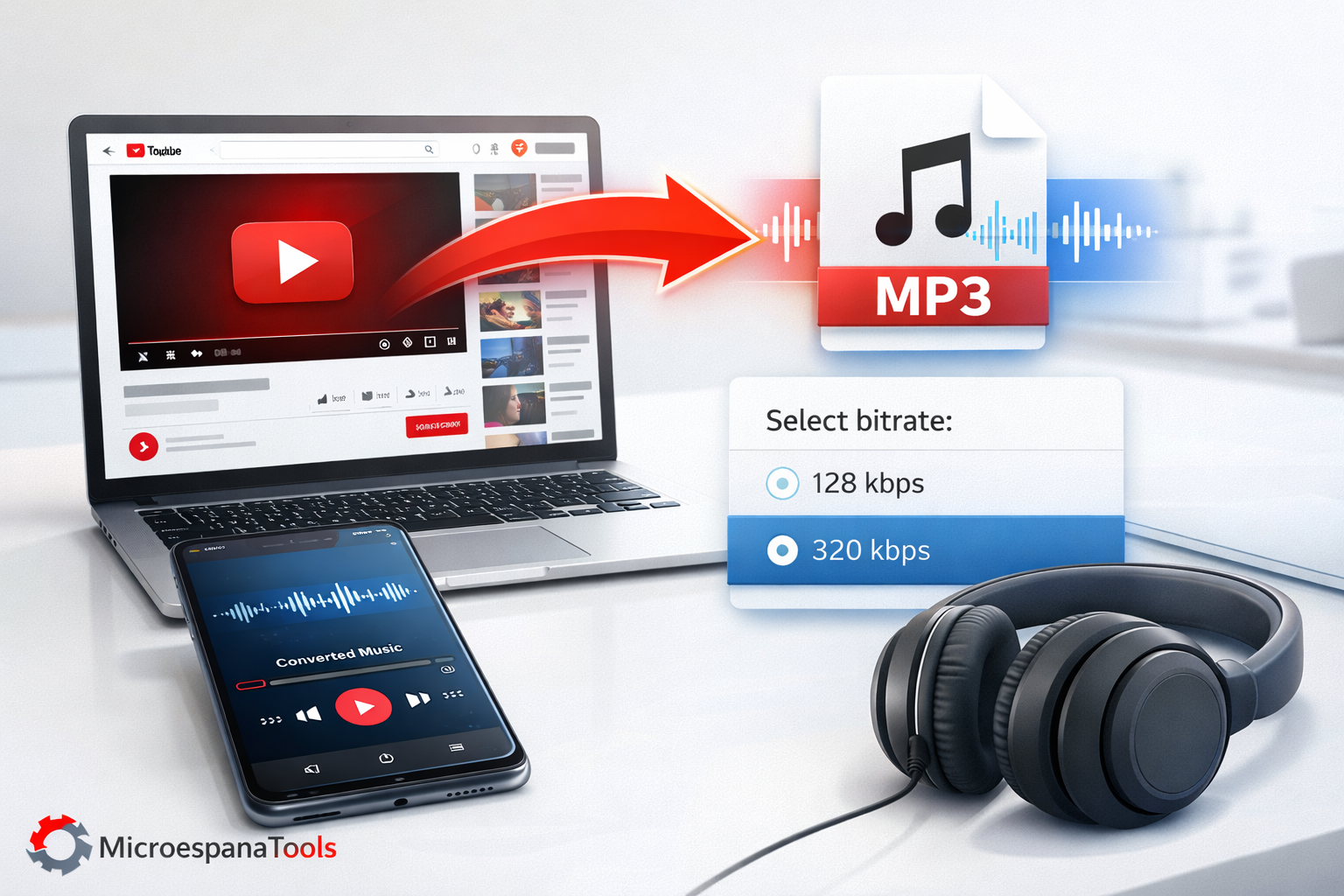
After conversion finishes, download the audio file. You can transfer it to your phone, upload it to cloud storage, or organize it into playlists.
Many podcast listeners use this method to archive long interviews. Fitness enthusiasts create ad-free workout tracks. The flexibility is impressive.
Quality Settings and Optimization Tips
Not all conversions are equal. Quality depends on the original upload and your selected settings.
Here are practical guidelines:
If the source video is 720p, converting to 1080p won’t improve clarity. It only increases file size.
Choose the highest original resolution available for video editing purposes.
For MP3, 192 kbps provides a strong balance between size and sound clarity.
Think of it like photography. You can’t turn a blurry image into a sharp masterpiece. Always start with the best source possible.
Also, organize files immediately after download. Create folders labeled by topic, creator, or project. This habit prevents chaos later.
Common Problems and How to Solve Them
Sometimes downloads fail. Don’t panic.
If a video won’t convert, it may be restricted in your region. Try another legal source.
If sound quality feels weak, check bitrate settings.
If downloads move slowly, server traffic may be high. Waiting often solves the issue.
Occasionally, antivirus software blocks suspicious websites. That’s actually helpful. Stick to reputable platforms with secure HTTPS connections.
Patience and careful selection make the process smooth.
Security and Privacy Best Practices
Online tools can be convenient. However, safety should always come first.
Never download executable files disguised as video converters.
Avoid sites flooded with pop-up ads.
Keep your antivirus software active.
Do not provide unnecessary personal information.
Cloud backups also matter. Save important files to Google Drive or OneDrive. External hard drives provide additional security. Losing valuable content due to a system crash can be frustrating. Backups prevent regret.
Real-World Use Cases Across the USA
Students convert exam review sessions into MP3 files. They listen during commutes.
Teachers download educational documentaries for offline classroom playback.
Content creators archive interviews for editing and repurposing.
Travelers save travel guides before international flights.
One entrepreneur built a local training library for employees using converted instructional videos. Internet outages no longer disrupt onboarding sessions. That’s efficiency in action.
The ability to perform YouTube Video Download and Conversion empowers individuals across industries.
Final Thoughts on YouTube Video Download and Conversion
Digital independence matters more than ever. Learning YouTube Video Download and Conversion gives you control over your media. You choose format. You choose quality. You decide when and where to access your content.
Use MP4 for full visual experience. Use MP3 for lightweight audio flexibility. Stay ethical. Protect your devices. Organize your files wisely.
When done responsibly, this simple skill transforms how you learn, create, and consume content. Fast. Free. Easy. Exactly how it should be.