

How to Detect Phishing Emails and Online Scams Before It’s Too Late
To Detect phishing emails and online scams has become a critical skill in today’s digital world, where cybercriminals constantly look for new ways to trick users. Every day, individuals and businesses receive messages that appear legitimate but are actually designed to steal sensitive information, money, or login credentials. Understanding how to recognize warning signs such as urgent language, suspicious links, and unexpected attachments can help prevent serious damage. Learning phishing email detection, improving online scam awareness, and strengthening email security practices allow users to respond wisely instead of reacting in panic. By building knowledge around fraudulent email signs and cyber threat prevention, people can protect their data, reputation, and digital safety before it’s too late.
What Is Phishing?
Phishing is a digital trick where attackers send fraudulent emails or messages that pretend to be legitimate. These messages rely on cybercriminal impersonation, often copying banks, employers, or government agencies. The goal stays simple. They want your passwords, money, or private data.
At first glance, these messages look normal. However, phishing email detection becomes easier once you understand intent. A phishing message always pushes you toward quick action. It may demand payment, request login details, or urge you to open a file. Recognizing this motive helps you stop early damage and strengthens email fraud prevention.
How Does Phishing Work?
Phishing works by exploiting trust. Attackers send emails from spoofed email addresses that resemble real domains. These messages include malicious email links or infected files. Once clicked, attackers gain access or install hidden software.
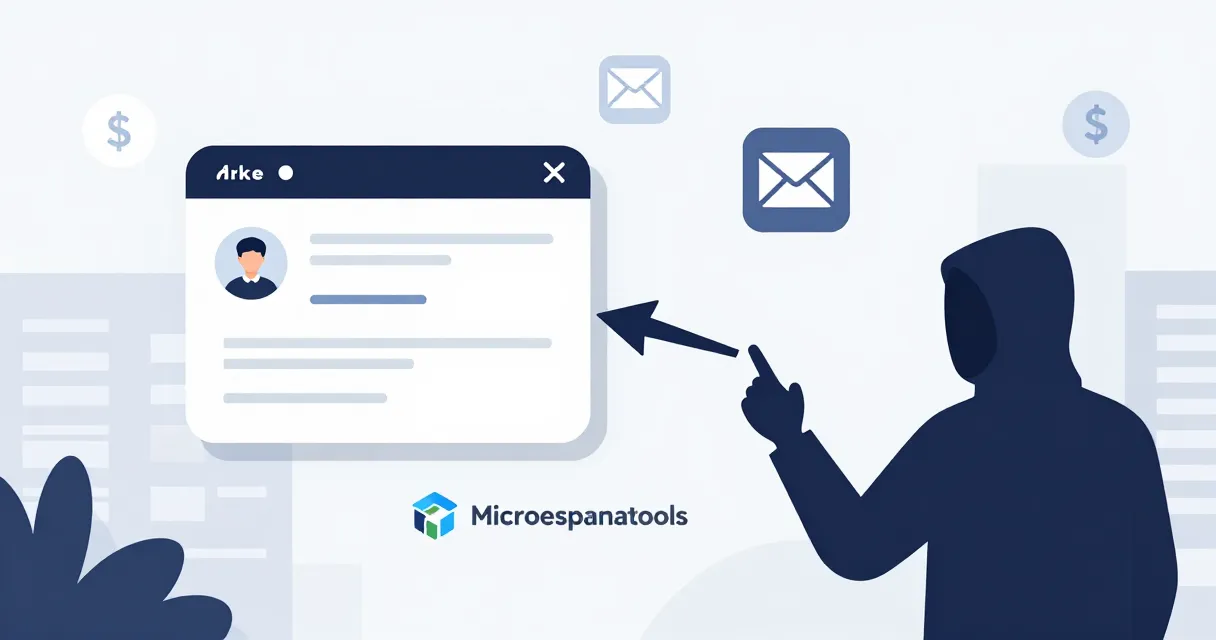
Figure 1: What phishing is and how it works.
In many U.S. cases, business email compromise (BEC) causes massive losses. Criminals study employees online. Then they send emails pretending to be executives. This explains how hackers trick employees using pressure and authority. Understanding this flow improves phishing attack prevention.
Different Types of Phishing Attacks
Phishing attacks come in many forms. Standard email phishing scams target large groups. Spear phishing targets one person with personal details. Whaling attacks executives using an executive impersonation email scam.
Other methods include SMS scams, voice scams, and fake invoices email scam campaigns. Each method changes the delivery, not the intention. Knowing these variations improves email security awareness and reduces exposure to online scam emails.
Common Characteristics of a Phishing Email
Most phishing messages share recognizable traits. These phishing email characteristics include urgent language, unfamiliar greetings, and odd formatting. Attackers often include phishing hyperlinks that redirect to fake login pages.

Figure 2: Common characteristics and warning signs of phishing emails.
Another clue appears in attachments. Malware email attachments often arrive as invoices or receipts. When opened, they infect devices silently. Recognizing these patterns strengthens data breach prevention and supports safer daily habits.
How to Identify a Phishing Email
Knowing how to identify a phishing email starts with slowing down. Examine the sender address closely. Many attackers use subtle spelling tricks. This is one of the most reliable phishing indicators.
Next, inspect links without clicking. Hovering over links reveals destinations. If links don’t match the message context, danger exists. Practicing this step-by-step review builds strong phishing email detection skills and supports long-term email fraud prevention.
Signs of a Phishing Scam You Should Never Ignore
Certain suspicious email signs appear repeatedly. Messages demanding immediate action signal risk. Threats about account suspension trigger fear-based reactions. These are classic email scam warning signs.
Another warning involves unusual requests. Unexpected password resets or payment changes require caution. Learning the signs of a phishing email helps you stop attacks before they escalate. Awareness remains your strongest shield.
Who Is Most Commonly Targeted by Phishing Attacks?
Phishing targets everyone. However, some groups face a higher risk. Remote workers and small businesses experience frequent attacks. Attackers know these users handle sensitive systems daily.
Employees handling finances face even greater risk. Criminals often attempt to verify suspicious email requests involving wire transfers. Building employee phishing awareness across teams reduces exposure and strengthens organizational defense.
Examples of Real-World Phishing Attacks
In the U.S., fake IRS refund emails spike during tax season. These messages ask for verification details. Delivery scams also surge during holidays. Attackers impersonate shipping companies.
Banks and payroll services face frequent impersonation. These phishing email examples show how realism drives success. Studying real cases sharpens instincts and supports better phishing awareness training.
Why Is Phishing So Effective?
Phishing works because it targets human emotion. Fear, curiosity, and urgency override logic. Attackers craft messages that feel routine. This explains what a phishing email looks like to many victims.
Technology alone cannot solve this problem. Awareness fills the gap. Understanding common phishing email tactics helps you regain control. Knowledge disrupts emotional manipulation and limits costly mistakes.
How to Protect Yourself Against Phishing Attacks
Protection begins with habits. Use strong passwords and multi-factor authentication. Keep software updated. These actions support phishing attack prevention and reduce vulnerability.

Figure 3: Practical protection and prevention steps against phishing.
Training matters equally. Organizations benefit from phishing awareness training that teaches recognition skills. Following NIST phishing guidelines strengthens defenses and improves response readiness.
| Protection Layer | Purpose |
|---|---|
| Email filtering | Blocks known threats |
| User training | Builds detection skills |
| MFA | Prevents unauthorized access |
What to Do If You’ve Identified a Phishing Email
Once detected, avoid interaction. Do not click links or open files. Preserve the message for reporting. These are critical phishing email response steps.
Reporting strengthens collective defense. Most providers offer a phishing email reporting process. Knowing how to report phishing emails helps security teams block future attacks and improve ecosystem safety.
What to Do If You’ve Fallen Victim to a Phishing Scam
If damage occurs, act fast. Change passwords immediately. Secure affected accounts. Monitor financial statements for irregularities. These steps support what to do after identifying phishing damage.
In the United States, file an official FTC phishing report at https://reportfraud.ftc.gov. This step helps authorities track trends and protect others. Recovery begins with swift, informed action and ongoing vigilance.
Final Thought
Learning how to Detect Phishing Emails and Online Scams Before It’s Too Late changes outcomes. Awareness saves time, money, and trust. With consistent attention, smarter habits, and ongoing education, phishing loses its power. Stay alert. Stay informed. Stay safe.